Let’s be honest, there’s nothing more frustrating than opening your dishwasher after a full cycle, expecting sparkling clean dishes, only to find them still speckled with bits of last night’s dinner. Before you blame the machine or your detergent, the solution might be simpler than you think. Learning How To Clean Dishwasher Spray Arms is one of the easiest and most effective ways to restore your machine’s cleaning power and get those picture-perfect results you’ve been missing.
Think of the spray arms as the heart of your dishwasher’s cleaning operation. They’re the workhorses that blast hot, soapy water onto every nook and cranny of your dishes. But over time, tiny food particles, grease, and mineral deposits from hard water can clog the small jets, turning a powerful spray into a pathetic dribble. The result? Poor cleaning performance, cloudy glasses, and a whole lot of disappointment.
In this comprehensive guide, we’ll walk you through everything you need to know, from spotting the signs of a clog to performing a deep clean that will get your dishwasher running like new again.
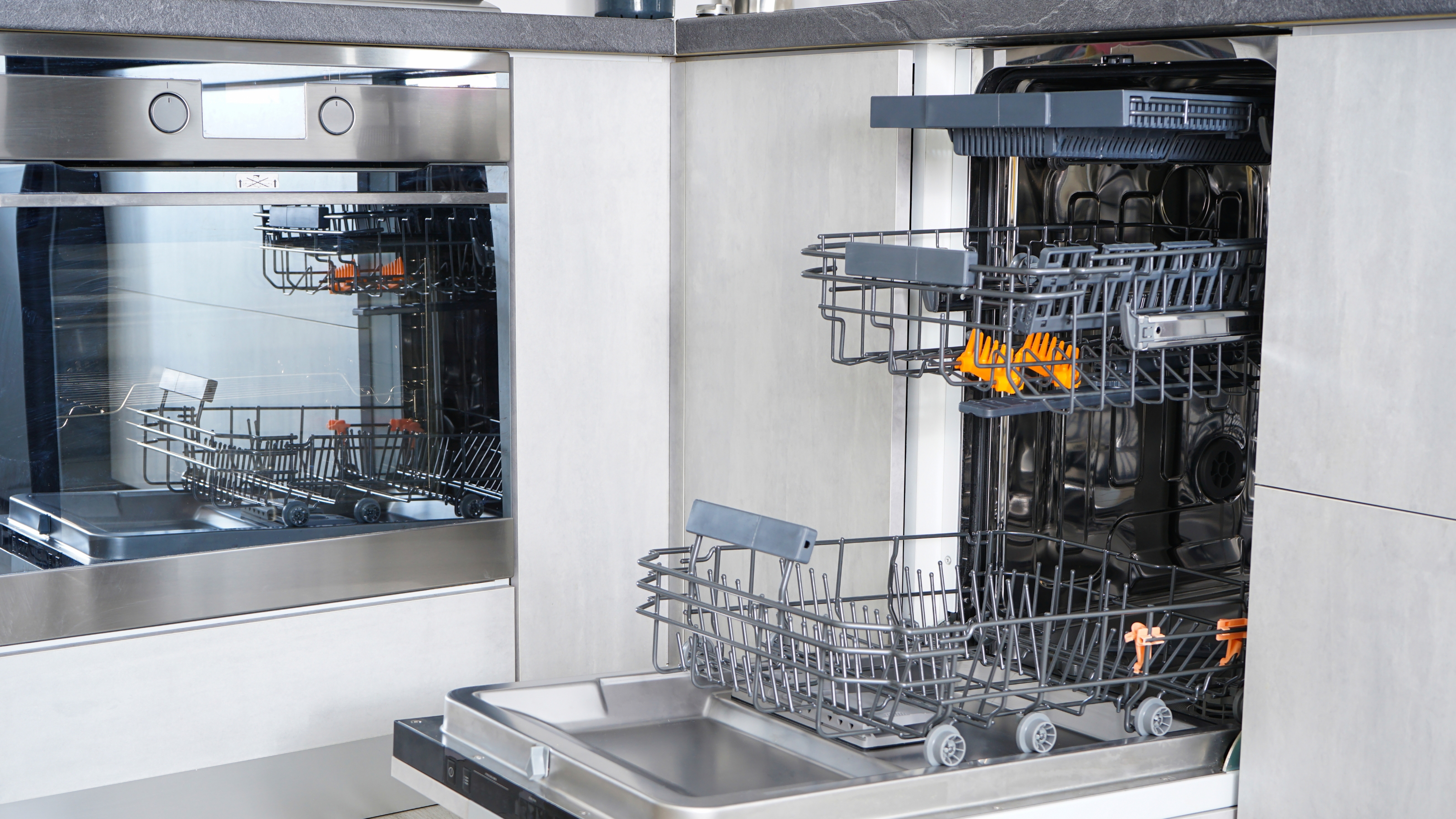
Why Bother Cleaning the Spray Arms Anyway?
It’s a fair question. The inside of your dishwasher gets washed with hot water and soap every day, so it should be self-cleaning, right? Unfortunately, that’s not quite how it works. The very debris the dishwasher removes from your plates can become its own worst enemy.
Clogged spray arm jets significantly reduce water pressure and coverage. Imagine trying to water your garden with a hose that has a dozen kinks in it. That’s essentially what’s happening inside your machine. When the jets are blocked:
- Water can’t reach all the dishes: This creates “dead zones” in the dishwasher, leaving certain items, particularly in the corners of the racks, untouched and dirty.
- Cleaning efficiency plummets: The machine has to work harder and run longer, potentially wasting water and electricity, without even getting the job done right.
- Leftover food particles get redeposited: Instead of being washed down the drain, old food debris can be dislodged and sprayed back onto your “clean” dishes. Gross.
Regularly cleaning the spray arms is a core part of basic dishwasher maintenance, just as important as cleaning your dishwasher filter. It’s a simple task that prevents bigger problems down the road.
How Do I Know If My Dishwasher Spray Arms Are Clogged?
Your dishwasher will usually give you some pretty clear signals that its spray arms need attention. Keep an eye out for these common red flags:
- Gritty or dirty dishes after a wash cycle: This is the most obvious sign. If you’re finding food residue on plates and bowls, the spray arms are the first place to check.
- Cloudy glassware: While this can also be a sign of hard water, poor rinsing due to clogged jets is a frequent cause.
- Unusual noises during the cycle: A clogged or stuck spray arm might make a thumping or grinding noise as it struggles to rotate and hits the racks.
- The spray arm doesn’t spin freely: When the dishwasher is off, give the arms a gentle push. They should spin easily. If they feel stiff or stuck, there could be an obstruction.
The Ultimate Guide: How to Clean Dishwasher Spray Arms
Ready to get your hands dirty? Don’t worry, it’s a quick and surprisingly satisfying job. Most models follow a similar process, but it’s always a good idea to have your user manual handy just in case.
Step 1: Gather Your Simple Tools
You don’t need any fancy equipment for this. You likely have everything you need already:
- A soft brush (an old toothbrush works perfectly)
- A toothpick, paperclip, or a small piece of wire
- White vinegar
- A clean cloth or paper towels
- A sink or a basin
Step 2: Remove the Dishwasher Spray Arms
First things first, make sure the dishwasher is empty.
- The Lower Spray Arm: This is usually the easiest. Most lower arms simply lift straight off their mount. Some might have a simple plastic nut or clip in the center that you can twist to unlock (usually counter-clockwise) and then lift the arm out.
- The Middle/Upper Spray Arm: This one can be a little trickier. It’s often attached to the bottom of the upper dish rack. Look for a large plastic locking nut or a clip. Unscrew the nut or release the clip, and the arm should detach. Don’t force it; if it feels stuck, consult your manual to see the specific removal mechanism for your model.
A Word from the Trenches:
As a seasoned appliance technician, Michael Carter often says, “I’ve seen people ready to buy a new dishwasher because their old one ‘stopped working.’ Ninety percent of the time, a five-minute spray arm cleaning and a filter rinse is all it needed. It’s the cheapest repair you can ever do yourself.”
Step 3: Inspect and Unclog the Jets
Now that you have the arms out, it’s time for a close inspection.
- Visual Check: Hold the arms up to a light and look through the spray holes (the jets). You’ll likely see small bits of food, hard water scale, or other gunk.
- Rinse Thoroughly: Run the arms under warm water in your sink. This will dislodge any loose debris.
- Poke Out the Debris: Use your toothpick or paperclip to gently poke into each jet hole and clear out any stubborn blockages. Be gentle to avoid scratching the plastic. You’ll be amazed at what can come out of these tiny holes.
- Scrub the Surface: Use your soft brush and a little soapy water to scrub the exterior of the spray arms, removing any built-up grease or grime.
Step 4: For Stubborn Buildup, Give Them a Vinegar Bath
If your home has hard water, you might see a chalky white film on the arms. This is mineral buildup, and it can be tough to remove.
- Prepare the Soak: Fill a basin or your sink with warm water and add one to two cups of white vinegar.
- Let Them Soak: Submerge the spray arms in the vinegar solution for at least 30 minutes. The acetic acid in the vinegar will work to break down and dissolve the mineral deposits.
- Final Rinse: After soaking, give the arms another thorough rinse under clean water to wash away any remaining vinegar and loosened debris.
Step 5: Reinstall and Test
Reinstalling the arms is just the reverse of removing them.
- Reattach the Arms: Secure the middle/upper arm back onto the rack and place the lower arm back onto its mount. Make sure any locking nuts or clips are firmly in place.
- Give Them a Spin: Once reinstalled, give each arm a manual spin to ensure it moves freely and doesn’t hit any part of the racks or the machine.
- Run a Test Cycle: For the ultimate clean, run an empty cycle on the hottest setting with a cup of white vinegar placed on the top rack. This will clean out not just the arms, but the entire interior of your machine.
How Often Should I Be Cleaning the Spray Arms?
For most households, a good rule of thumb is to inspect and clean your dishwasher spray arms every three to six months. However, you may need to do it more frequently if:
- You have very hard water.
- You don’t thoroughly scrape your plates before loading.
- You start to notice any of the warning signs mentioned earlier.
Making this a part of your regular home maintenance routine will keep your dishwasher performing at its best and extend its lifespan. It’s a small investment of time that pays off with every clean load of dishes.
Frequently Asked Questions (FAQ)
Q: Can I clean the spray arms without removing them?
A: Yes, you can. While removing them is more thorough, you can use a toothpick to clear the jets while they are still in the machine. Afterwards, placing a bowl of white vinegar on the bottom rack and running a hot cycle can help dissolve internal buildup.
Q: My dishwasher’s top rack isn’t getting clean. Is it the spray arm?
A: It’s highly likely. The upper spray arm is responsible for cleaning the top rack. If it’s clogged or not spinning correctly, the dishes directly in its path won’t get clean. Start by checking that arm first.
Q: What’s the difference between the lower and upper spray arms?
A: The lower spray arm is typically larger and more powerful, designed to blast water upwards to clean the heavily soiled items on the bottom rack. The upper arm is smaller and ensures water coverage for glasses and bowls on the top rack. Some high-end models even have a third, smaller spray arm at the very top for cutlery.
Q: I cleaned the arms, but my dishes are still wet after the cycle. What’s wrong?
A: Wet dishes are usually related to the drying cycle, not the spray arms. The most common cause is a lack of rinse aid. Ensure your rinse aid dispenser is full, as it helps water sheet off dishes for better drying. You can find more information in our guide to perfect dishwasher drying.
Q: I broke a clip while trying to remove the spray arm. What should I do?
A: Don’t panic! Replacement spray arms and their mounting parts are widely available. You can typically find the correct part by searching online for your dishwasher’s make and model number. They are usually inexpensive and easy to install.
Your Dishes Will Thank You
Mastering how to clean dishwasher spray arms is a game-changer for anyone who relies on this essential kitchen appliance. It’s a simple, fast, and effective task that transforms your dishwasher’s performance, ensuring you get the sparkling clean results you expect from every single wash. So next time your dishes come out less than perfect, you’ll know exactly where to look.
Have you tried this before? Share your own tips or ask any questions in the comments below! We’d love to hear from you.