Thinking about finally freeing yourself from the tyranny of the kitchen sink? You’re not alone. As we head into 2025, the conversation around kitchen appliances is less about luxury and more about smart, efficient living. In this deep dive into the Dishwasher Pros And Cons 2025, we’re going to break down everything you need to know. My goal here isn’t just to sell you on a machine; it’s to arm you with the knowledge to decide if a dishwasher is the right co-pilot for your kitchen and how to choose one that you’ll love for years to come. Let’s get right into it.
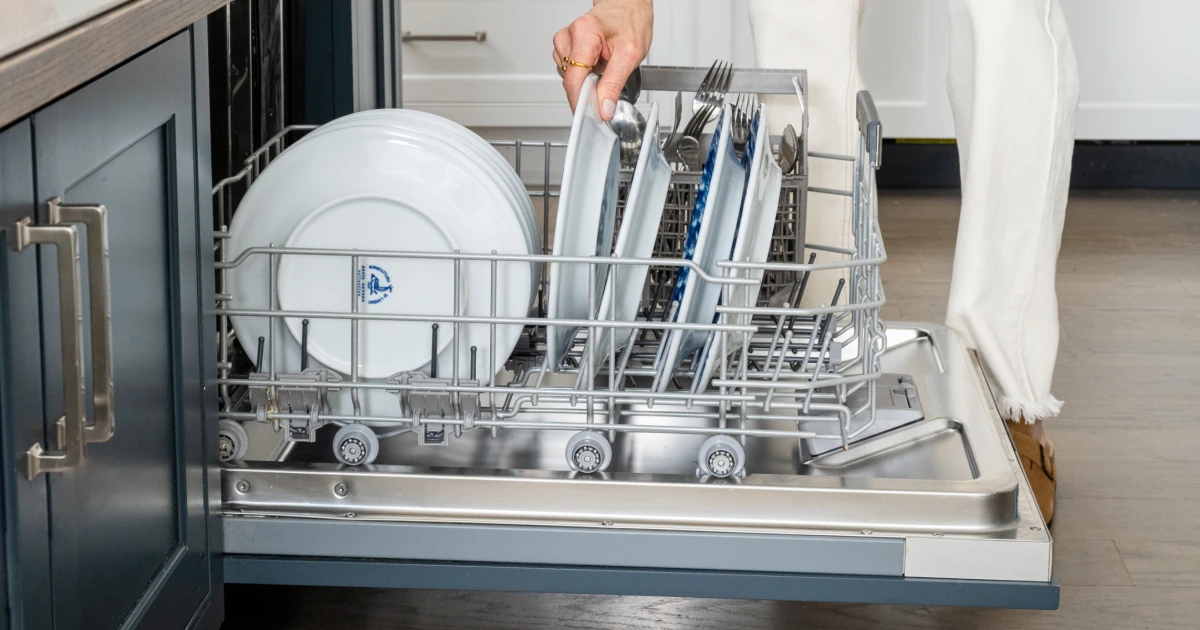
The Real Deal: Why a Dishwasher is a Game-Changer (The Pros)
Let’s be honest, the most obvious benefit is waving goodbye to rubber gloves and sudsy sponges. But the advantages go far beyond just convenience.
- You Get Your Time Back: The average person spends about 60 minutes a day washing dishes by hand. That’s over 360 hours a year! A dishwasher gives you that time back for family, hobbies, or just collapsing on the couch after a long day. It’s not laziness; it’s life optimization.
- It’s Surprisingly Eco-Friendly: This one trips people up. “Doesn’t it use a ton of water and electricity?” The answer, with modern machines, is a resounding no. An Energy Star-certified dishwasher can use as little as 3-4 gallons of water per cycle. Hand-washing the same load can easily use up to 27 gallons. You save water, which means you save on your utility bills.
- A Deeper, More Hygienic Clean: Your hands can’t handle the heat required to truly sanitize dishes. Dishwashers use water heated to 140-160°F (60-71°C), which is far more effective at killing bacteria and germs than your typical sink wash. For a family with young kids or anyone concerned about hygiene, this is a massive win.
- A Calmer, Clutter-Free Kitchen: A sink perpetually piled high with dirty dishes can be a source of stress and visual clutter. A dishwasher keeps the mess contained and out of sight, leading to a more serene and organized kitchen environment.
But Wait, What’s the Catch? The Cons to Consider
It’s not all sunshine and sparkling glasses. There are some genuine downsides to consider before you take the plunge.
- The Upfront Investment: A good dishwasher isn’t cheap. You can expect to spend anywhere from $500 for a solid budget model to over $1,500 for a high-end machine with all the bells and whistles. It’s a significant initial cost.
- Installation Can Be a Hassle: If you don’t have a dedicated spot with existing plumbing and electrical hookups, installation can add a few hundred dollars to the total cost and require a professional plumber or electrician.
- They Take Up Space: In a smaller kitchen, dedicating a 24-inch cabinet space to a single appliance can be a tough pill to swallow. While smaller 18-inch and countertop models exist, they come with their own capacity trade-offs.
- Ongoing Maintenance: Dishwashers aren’t “set it and forget it” forever. You’ll need to regularly clean the filter, check the spray arms, and run cleaning cycles to keep it performing well and smelling fresh.
- Not Everything Can Go In: This is a big one. Fine china, sharp knives, wooden cutting boards, cast iron skillets, and some plastics are still best washed by hand. You’ll always have some hand-washing to do.
How Do I Choose the Right Dishwasher in 2025?
Feeling overwhelmed by the options? Don’t be. Choosing the right machine comes down to answering a few key questions about your lifestyle and your kitchen. Here’s a simple checklist to guide you.
- Measure Your Space, Twice: The standard dishwasher size is 24 inches wide. Measure the height, width, and depth of your intended cabinet space before you even start shopping. There’s nothing worse than having a shiny new appliance delivered that doesn’t fit.
- Be Honest About Capacity: How many people are in your household? A standard 24-inch model is great for a family of four. If you’re a couple or live alone, a more compact 18-inch “slimline” model might be perfect. For renters or those with tiny kitchens, a portable or countertop unit could be the ideal solution.
- Listen for the Silence (Noise Levels): Dishwasher noise is measured in decibels (dBA). Anything under 45 dBA is considered whisper-quiet and is a godsend for open-plan living spaces. A model in the 50-55 dBA range is still very reasonable—about the level of a quiet conversation.
- Focus on Features That Actually Matter: It’s easy to get dazzled by a million cycles and options. For 2025, these are the features that deliver real value:
- Soil Sensors: These automatically adjust the cycle time and water usage based on how dirty your dishes are. It’s a huge water and energy saver.
- A Third Rack: This shallow top rack is a game-changer for fitting silverware, long utensils, and small items, freeing up tons of space on the lower racks.
- Flexible Racks: Look for adjustable tines and height-adjustable upper racks. They make it so much easier to fit awkward items like pots and pans.
- Check for the Energy Star Label: This is a non-negotiable. An Energy Star-certified model is guaranteed to be at least 12% more energy-efficient and 30% more water-efficient than standard models. It’s better for the planet and your wallet.
|
Our Picks for the Best Dishwasher in 2026
As an Amazon Associate, we earn from qualifying purchases.
|
||
| Num | Product | Action |
|---|---|---|
| 1 | AIRMSEN Portable Countertop Dishwashers, 5 Washing Programs Mini Dishwashers with 5 L Built-in Water Tank and Double-layered Glass Door, No Hookup Needed for Home, Apartments & RVs |

|
| 2 | COMFEE\' Countertop Dishwasher, Portable Dishwasher with 6L Built-in Water Tank, Mini Dishwasher with More Space Inside, 7 Programs, UV Hygiene& Auto Door Open, for Apartments, Dorms& RVs, White |
|
| 3 | HAVA 2025 NEW Upgraded Countertop Dishwasher with Water Softener and Enhanced Energy Efficiency, Portable Dishwasher with 8 Wash Programs, Child Lock & Delayed Start Function, No Installation Needed |
|
| 4 | HAVA Countertop Dishwasher with Water Softener and Enhanced Energy Efficiency, Portable Dishwasher with 8 Wash Programs, Child Lock & Delayed Start Function, No Installation Needed - Misty Lilac |
|
| 5 | HAVA Countertop Dishwasher, 6 Programs Portable Dishwashers with 5L Built-in Water Tank, No Hookup Needed, Baby Care & Air-Drying Function for Apartments and RVs |
|
| 6 | COMFEE\' Portable Mini Dishwasher Countertop with 5L Built-in Water Tank for Apartments& RVs, No Hookup Needed, 6 Programs, 360° Dual Spray, 162℉ High-Temp& Air-Dry Function |
|
| 7 | COMFEE\' Portable Mini Dishwasher Countertop with 5L Built-in Water Tank for Apartments& RVs, No Hookup Needed, 6 Programs, 360° Dual Spray, 162℉ High-Temp& Air-Dry Function |
|
| 8 | Farberware Portable Countertop Dishwasher with 5-Liter Built-in Water Tank - 5-Program System for Home, RV, and Apartment - Wash Dishes, Glass, and Baby Products |
|
| 9 | AIRMSEN Portable Countertop Dishwashers, 5 Washing Programs Mini Dishwashers with 5 L Built-in Water Tank and Double-layered Glass Door, No Hookup Needed for Home, Apartments & RVs |
|
| 10 | NOVETE Portable Countertop Dishwashers, Compact Dishwashers with 5L Built-in Water Tank & Inlet Hose, 5 Washing Programs, Baby Care, Air-Dry Function and LED Light for Small Apartments |
|
A Closer Look at Dishwasher Pros and Cons 2025 Features
The technology in dishwashers has evolved rapidly. Let’s break down some of the newer features you’ll encounter and whether they’re worth the extra cash.
Smart Connectivity: A Blessing or a Burden?
Many new models come with Wi-Fi connectivity, allowing you to start, stop, and monitor cycles from your phone.
- Pro: It’s convenient for starting a load when you’re on your way home or checking how much time is left without getting off the couch. Some apps can even notify you when you’re low on detergent.
- Con: For many people, it’s a solution in search of a problem. Is it really that hard to press a button on the machine itself? It often adds to the cost and can be another piece of tech to troubleshoot.
Advanced Drying Tech: From Heat to Zeolite
Getting plastics completely dry has always been a dishwasher’s Achilles’ heel. Manufacturers are fighting back with new tech.
- Heated Dry: The classic method. Effective, but uses the most energy.
- Condensation Dry: Used by many European brands like Bosch, this method uses a final hot rinse and the cool stainless steel tub to encourage water to condense and drain away. It’s very energy efficient but can leave plastics a bit damp.
- Auto-Open Door: At the end of the cycle, the door pops open a few inches to let steam escape and air-dry the dishes. Simple, effective, and efficient.
- Zeolite: A high-end feature where a mineral called zeolite absorbs moisture and releases heat, actively drying dishes. It works incredibly well, even on plastics, but is typically found only on premium models.
“A dishwasher is no longer just a box that sprays water. It’s an integrated part of the kitchen’s workflow and aesthetic. When clients are planning a remodel, we discuss how features like panel-ready fronts can make the appliance disappear into the cabinetry, and how a quiet dBA rating is crucial for an open-concept living space. It’s about how the technology serves the life you want to live in your kitchen.”
— Eleanor Vance, Kitchen Designer
What’s Involved in Basic Dishwasher Maintenance?
To keep your machine running smoothly for its 10-12 year lifespan, a little TLC goes a long way. This isn’t complicated, I promise.
- Clean the Filter Weekly: This is the single most important thing you can do. Most modern dishwashers have a twist-out filter at the bottom of the tub. Rinse it under the tap to remove food particles. It takes 30 seconds.
- Check the Spray Arms Monthly: Make sure the little holes aren’t clogged with food debris. A toothpick or a small pin can clear any blockages.
- Wipe Down the Gasket: The rubber seal around the door can get grimy. A quick wipe with a damp cloth keeps it clean and ensures a tight seal.
- Run a Cleaning Cycle: Every few months, run an empty cycle on the hottest setting with a dishwasher cleaner (or a cup of white vinegar in a bowl on the top rack) to descale mineral deposits and sanitize the interior.
Frequently Asked Questions
Q: Are expensive dishwashers really better?
A: Yes and no. More expensive models are typically much quieter, have more flexible racking options (like a third rack), and are made with more durable materials like stainless steel tubs. However, you can find a fantastic, reliable machine in the mid-range that cleans just as well.
Q: How long should a dishwasher last in 2025?
A: With proper care and maintenance, you should expect a quality dishwasher to last about 10 to 13 years. Cheaper, lower-end models may have a shorter lifespan of around 7-9 years.
Q: Do I really need to stop pre-rinsing my dishes?
A: Yes! Modern dishwashers have soil sensors that determine how long to run the cycle. If you put pre-rinsed dishes in, the sensor thinks they’re already clean and runs a shorter, less effective cycle. Just scrape off large food chunks and let the machine do its job.
Q: Can a dishwasher really save me money?
A: Absolutely. While there’s an upfront cost, the water and energy savings can add up over time. An Energy Star model can save you over $35 per year on utilities compared to older models, and even more compared to hand-washing.
Q: What’s the deal with dishwasher pods vs. powder vs. gel?
A: Pods (or tablets) are the most popular for a reason: they are convenient and contain a pre-measured, multi-action formula. Powder is the most economical and allows you to adjust the amount, which is great if you have very hard or soft water. Gels are generally the least effective of the three, especially on tough, baked-on food.
The Final Verdict
So, after weighing the dishwasher pros and cons 2025, is it worth it? For the vast majority of households, the answer is a clear yes. The sheer convenience, superior hygiene, and surprising efficiency make it one of the hardest-working appliances in the modern kitchen. The key is to go into the purchase with your eyes open—understanding the initial cost, the space it requires, and the right features for your family. By doing your homework, you’re not just buying an appliance; you’re investing in a smoother, cleaner, and more efficient home.
Have any more questions or want to share your own dishwasher experience? Drop a comment below! We love hearing from our community.