Let’s be honest, nobody romanticizes the time they spend scrubbing pots and pans at the sink. A dishwasher isn’t just an appliance; it’s a ticket to more free time, a cleaner kitchen, and frankly, fewer family arguments over whose turn it is to do the dishes. But before you can enjoy that sparkling clean glory, you face the big question: what’s the best place to buy a dishwasher? The options can feel overwhelming, but don’t worry. As your go-to expert at Smart Clean Kitchen, I’m here to walk you through it, just like I would with a friend over a cup of coffee.
This isn’t just about finding a store. It’s about finding the right partner for this important purchase—one that offers the right price, selection, and support to make your life easier from day one.
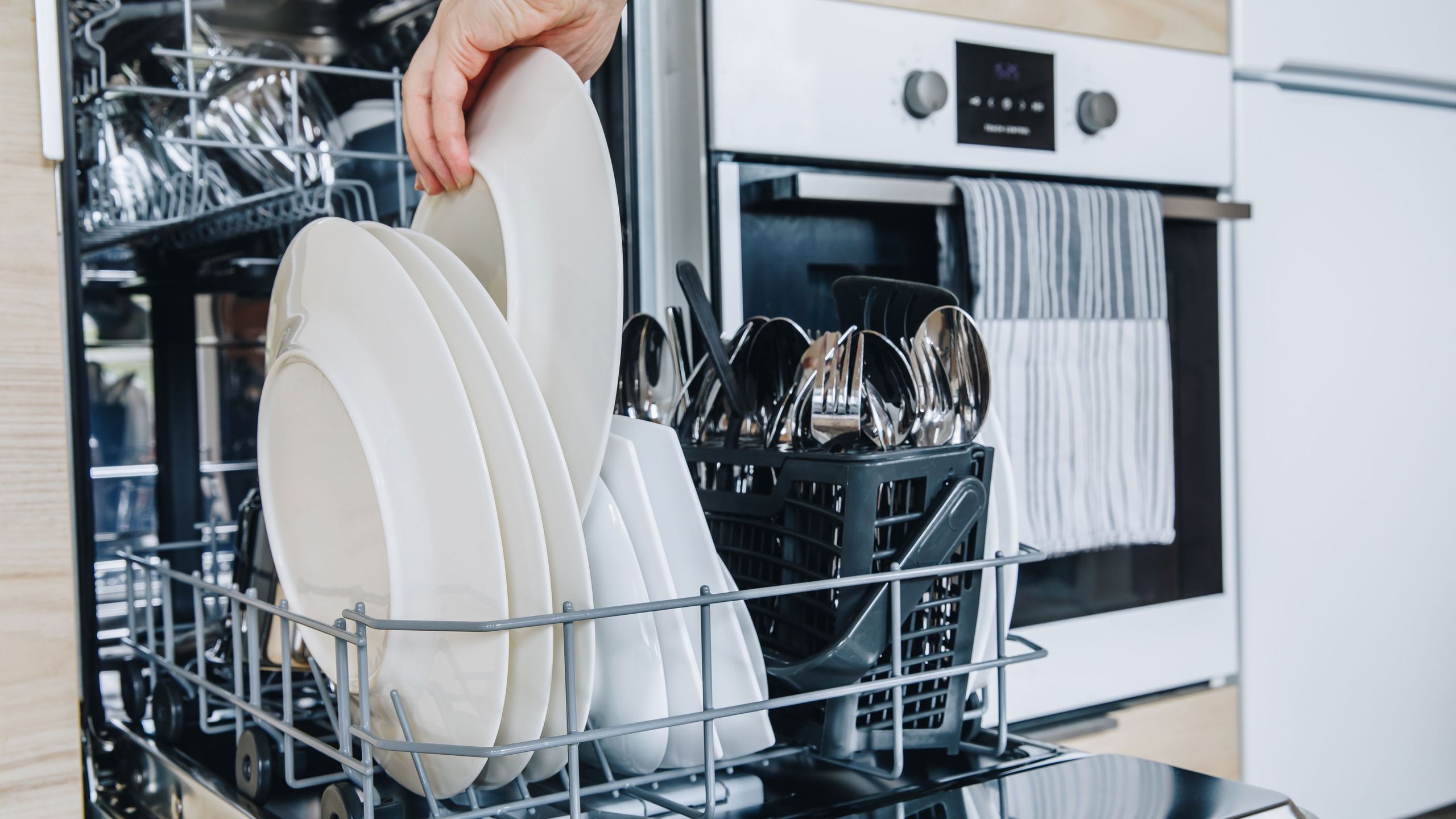
Before You Shop: Know What You’re Looking For
Jumping straight into store comparisons without knowing what you need is like going to the grocery store hungry and without a list—you’ll end up with a lot of stuff you don’t need. Let’s quickly nail down the basics so you can shop like a pro.
What are the main types of dishwashers?
First, you need to know which type fits your kitchen’s layout. This is the most fundamental decision you’ll make.
- Built-in Dishwashers: This is the most common type. They slide into a dedicated space under your countertop, usually 24 inches wide, and are permanently connected to your plumbing and electricity. They offer the sleekest look and the widest range of features.
- Portable Dishwashers: Living in a rental or have a kitchen layout that won’t accommodate a built-in? A portable unit is your best friend. They’re on wheels and connect to your kitchen faucet when you need to run a cycle.
- Countertop Dishwashers: Perfect for small apartments, RVs, or couples. These compact units sit on your counter and, like their portable cousins, hook up to the faucet. They’re small but mighty.
- Drawer Dishwashers: These are a high-end option, often coming in single or double-drawer configurations. They are great for small loads and can be integrated seamlessly into your cabinetry.
Key Features That Actually Make a Difference
Appliance marketing can be a jungle of jargon. Here’s what you should actually pay attention to:
- Noise Level (dBA): A dishwasher’s sound is measured in decibels (dBA). Anything under 45 dBA is considered whisper-quiet, and you’ll barely know it’s running. This is a game-changer for open-plan living spaces.
- Third Rack: Once a luxury feature, the third rack is becoming a must-have. It’s a shallow tray at the very top, perfect for spatulas, long knives, and small ramekins, freeing up tons of space below.
- Soil Sensors: This is smart tech that works. The machine uses sensors to detect how dirty your dishes are and adjusts the cycle time and water usage accordingly. It saves water, energy, and money.
- Stainless Steel Tub: A stainless steel interior is more durable than plastic, resists stains and odors, and helps dishes dry faster by retaining heat. It’s an upgrade worth paying for.
“I always tell my clients to focus on two things: how you live and what annoys you now. If you entertain a lot, capacity and a third rack are key. If your current dishwasher sounds like a jet engine, prioritize a low dBA rating. The best machine is the one that solves your real-world problems.” – Maria Flores, Kitchen Design Consultant
The Main Event: Finding the Best Place to Buy a Dishwasher
Alright, with your homework done, let’s explore the contenders. Each type of retailer has its own unique strengths and weaknesses. The best place to buy a dishwasher for you depends entirely on your priorities: are you a price-hunter, a service-seeker, or do you need it yesterday?
Big-Box Home Improvement Stores (Think Home Depot, Lowe’s)
These giants are often the first stop for many homeowners, and for good reason. They are convenient and offer a one-stop-shop experience.
- Pros:
- See and Touch: You can physically open the doors, slide out the racks, and get a feel for the build quality.
- Frequent Sales: They run major sales events around holidays like Black Friday, Memorial Day, and the 4th of July.
- Installation & Haul-Away: They offer comprehensive packages for delivery, installation by licensed professionals, and removal of your old appliance.
- Bundle Deals: If you’re renovating your kitchen, you can often get a significant discount by buying multiple appliances from the same brand.
- Cons:
- Expertise Varies: The sales staff are often generalists, not dishwasher specialists. You’ll need to have done your own research beforehand.
- Limited High-End Selection: They typically carry the most popular models from major brands but may not have niche or ultra-premium options like Miele or Gaggenau.
Appliance Specialty Stores (Local and Regional Chains)
These stores live and breathe appliances. They might be a local, family-owned shop or a regional chain focused solely on home appliances.
- Pros:
- Deep Expertise: The sales team here are true experts. They can answer detailed technical questions and offer personalized recommendations based on your needs.
- Exceptional Service: They often have their own trusted installation and repair crews, leading to a more accountable and seamless experience.
- Unique Selection: You’re more likely to find a wider range of high-end and specialty brands here.
- Cons:
- Potentially Higher Prices: Without the massive buying power of big-box stores, their everyday prices might be a bit higher, though they can often be competitive during sales.
- Fewer Locations: They are, by nature, less common than national chains.
|
Our Picks for the Best Dishwasher in 2025
As an Amazon Associate, we earn from qualifying purchases.
|
||
| Num | Product | Action |
|---|---|---|
| 1 | COMFEE\' Countertop Dishwasher, Portable Dishwasher with 6L Built-in Water Tank, Mini Dishwasher with More Space Inside, 7 Programs, UV Hygiene& Auto Door Open, for Apartments, Dorms& RVs, White |

|
| 2 | COMFEE\' Portable Mini Dishwasher Countertop with 5L Built-in Water Tank for Apartments& RVs, No Hookup Needed, 6 Programs, 360° Dual Spray, 162℉ High-Temp& Air-Dry Function |
|
| 3 | HAVA 2025 NEW Upgraded Countertop Dishwasher with Water Softener and Enhanced Energy Efficiency, Portable Dishwasher with 8 Wash Programs, Child Lock & Delayed Start Function, No Installation Needed |
|
| 4 | AIRMSEN Portable Countertop Dishwashers, 5 Washing Programs Mini Dishwashers with 5 L Built-in Water Tank and Double-layered Glass Door, No Hookup Needed for Home, Apartments & RVs |
|
| 5 | HAVA Countertop Dishwasher, 6 Programs Portable Dishwashers with 5L Built-in Water Tank, No Hookup Needed, Baby Care & Air-Drying Function for Apartments and RVs |
|
| 6 | NOVETE Portable Countertop Dishwashers, Compact Dishwashers with 5L Built-in Water Tank & Inlet Hose, 5 Washing Programs, Baby Care, Air-Dry Function and LED Light for Small Apartments |
|
| 7 | COMFEE\' Portable Mini Dishwasher Countertop with 5L Built-in Water Tank for Apartments& RVs, No Hookup Needed, 6 Programs, 360° Dual Spray, 162℉ High-Temp& Air-Dry Function |
|
| 8 | Farberware Portable Countertop Dishwasher with 5-Liter Built-in Water Tank - 5-Program System for Home, RV, and Apartment - Wash Dishes, Glass, and Baby Products |
|
| 9 | HAVA Countertop Dishwasher with Water Softener and Enhanced Energy Efficiency, Portable Dishwasher with 8 Wash Programs, Child Lock & Delayed Start Function, No Installation Needed - Misty Lilac |
|
| 10 | AIRMSEN Portable Countertop Dishwashers, 5 Washing Programs Mini Dishwashers with 5 L Built-in Water Tank and Double-layered Glass Door, No Hookup Needed for Home, Apartments & RVs |
|
Major Online Retailers (Like Amazon, Best Buy, AJ Madison)
For the research-savvy and price-conscious shopper, the internet offers a world of options.
- Pros:
- Massive Selection: You can find virtually any model from any brand, all in one place.
- Competitive Pricing: It’s easy to compare prices across different sites to ensure you’re getting the best deal.
- Customer Reviews: Access to hundreds, sometimes thousands, of real-world user reviews is invaluable for making an informed decision.
- Cons:
- No Physical Inspection: You’re buying sight unseen, relying solely on pictures and reviews.
- Delivery and Installation Logistics: This can be the biggest headache. Coordination with third-party delivery and installation services can sometimes be complicated. Always read the fine print on what’s included.
- Returns Can Be a Hassle: Returning a 100-pound appliance is significantly more difficult than returning a pair of shoes.
Buying Directly from the Manufacturer
Some brands, like Bosch, KitchenAid, and Miele, sell their products directly from their own websites.
- Pros:
- Full Product Information: You get the most accurate and detailed specs straight from the source.
- Access to All Models: You can see every model in their current lineup, including ones that might not be stocked by other retailers.
- Cons:
- No Price Negotiation: The price is the price. You won’t find the competitive discounts that third-party retailers can offer.
- Limited Comparison: You’re siloed into one brand, making it harder to compare features and value across the market.
How do you choose the best retailer for you?
There’s no single right answer, but here’s a quick checklist to guide your decision:
- Measure Your Space: Before you do anything else, measure the height, width, and depth of your dishwasher cutout. Do it twice. This will prevent a major installation-day disaster.
- Set a Budget: Determine a realistic price range. Remember to factor in potential costs for delivery, installation, and a new supply line kit (usually around $20-30).
- Read Reviews: Look at both professional reviews from tech sites and user reviews on retail sites. Pay attention to recurring complaints about performance or reliability.
- Check for Floor Models or Open-Box Deals: You can often find fantastic deals on units with minor cosmetic blemishes or that were returned. Always ask if these come with a full manufacturer’s warranty.
- Understand the Warranty: Know what’s covered and for how long. Some credit cards offer extended warranty protection, so check your benefits.
Frequently Asked Questions (FAQ)
Q: When is the best time of year to buy a dishwasher?
A: Major holidays are excellent times for sales. Black Friday, Memorial Day, Labor Day, and the 4th of July typically see the biggest discounts. Also, September and October are when manufacturers release new models, so retailers will discount the previous year’s stock.
Q: Is professional installation for a dishwasher really necessary?
A: If you are not comfortable with both plumbing and electrical work, then yes, absolutely. A faulty installation can lead to leaks, water damage, and electrical hazards. The peace of mind is well worth the cost, which typically ranges from $150 to $250.
Q: How much should I expect to spend on a good dishwasher?
A: The sweet spot for most households is between $600 and $1,200. In this range, you can find quiet models with stainless steel tubs, a third rack, and excellent cleaning performance from reputable brands like Bosch, KitchenAid, and Miele.
Q: Are extended warranties for dishwashers a good idea?
A: Generally, they are not. Most issues with a new appliance will appear within the first year, which is covered by the manufacturer’s warranty. A well-regarded, reliable model is a better investment than an expensive extended warranty.
Q: What is the most reliable dishwasher brand?
A: While reliability can vary by model, brands like Miele, Bosch, and Thermador consistently receive high marks from consumer reports and repair technicians for their durability and low repair rates. However, even the best brands can have a dud, so checking reviews for the specific model you’re considering is key.
Your Kitchen, Your Choice
Finding the best place to buy a dishwasher is a journey of matching your personal needs with what a retailer does best. If you value hands-on experience and bundled services, a big-box store is a fantastic choice. If you crave expert advice and premium service, your local appliance specialist is the way to go. And if you’re a deal-hunter who has done their homework, online retailers offer unparalleled selection and pricing.
By arming yourself with knowledge about what you need and where to look, you can turn a daunting purchase into an empowering one. You’re not just buying a machine; you’re investing in a smoother, cleaner, and more efficient home. Now, go find that perfect dishwasher—your future self will thank you.